Pink Shirt Day and Beyond
How ABA Supports Kindness, Inclusion, and Anti-Bullying Skills
At bitKIDS Behaviour Consulting, kindness isn’t treated as an abstract concept — it’s intentionally taught, practiced, and reinforced through evidence-based strategies. By breaking down complex social and emotional skills into teachable steps, ABA helps children learn how to interact with others in ways that build connection, empathy, and confidence.
With Pink Shirt Day recognized across Canada, it’s a meaningful reminder that preventing bullying starts with teaching the skills that create respectful, inclusive communities. ABA plays an important role in helping children develop those skills every day.
Teaching Kindness Through Everyday Interactions
ABA focuses on observable behaviours, which means we can teach specific actions that demonstrate kindness — such as sharing, helping, waiting patiently, offering encouragement, or checking on a friend. Therapists model these behaviours, provide guided practice, and reinforce them when they occur naturally. Over time, children learn that kind actions lead to positive social outcomes, making them more likely to repeat them independently.
Social Skills: Building Meaningful Relationships
Many children benefit from explicit instruction in social communication. ABA programs often include:
- Perspective-taking activities (“How might they feel?”)
- Role-play and peer practice
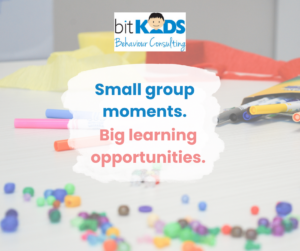
- Cooperative games and group learning
- Recognizing social cues and body language
These experiences help children understand that kindness isn’t just about being polite — it’s about understanding others and responding in supportive ways. When children gain confidence socially, they are also less likely to engage in or experience bullying behaviours.
Emotional Regulation: Kindness Starts Within
It can be difficult to be kind to others when you’re overwhelmed yourself. That’s why emotional regulation is a core component of many ABA programs. Children learn to:
- Identify their emotions
- Use coping strategies (deep breathing, breaks, movement)
- Communicate needs effectively
- Problem-solve during challenging moments
As self-regulation improves, children are better able to respond calmly, flexibly, and compassionately in social situations — key protective factors against conflict and bullying.
Reinforcing a Culture of Kindness
ABA uses positive reinforcement to strengthen behaviours we want to see more often. When children experience success with kind actions — receiving praise, connection, or natural social rewards — those behaviours become more meaningful and sustainable.
Days like Pink Shirt Day highlight an important truth: kindness is not just a personality trait — it’s a skill set that can be taught, practiced, and strengthened. With the right support, children can learn not only what kindness looks like, but why it matters — creating safer, more inclusive environments at home, in school, and in their communities.